

+-3
BG

Healthcare IT & cybersecurity

Protecting patient trust and healthcare data

Healthcare organizations rely on secure technology to protect patient data and maintain trust. edgefi helps safeguard sensitive information while keeping systems reliable and compliant.

Let's talk

Cybersecurity and IT challenges in healthcare

Healthcare organizations face unique challenges in protecting patient data, maintaining HIPAA compliance, and keeping critical systems available for patient care. As cyber threats continue to target healthcare providers, organizations must balance strong security with reliable systems that support clinicians, staff, and patients.

1

HIPAA compliance and patient data protection

Healthcare organizations must protect electronic protected health information (ePHI) while complying with HIPAA and other regulations. Strong security controls and clear processes help reduce risk and maintain patient trust.

2

Ransomware and cybersecurity threats

Healthcare organizations are frequent targets for ransomware, phishing, and other cyberattacks. Protecting medical systems and sensitive patient data requires continuous monitoring and proactive security controls.

3

Reliable healthcare systems

Healthcare providers rely on secure, reliable systems to support patient care. Managing electronic health records, medical devices, and clinical systems requires stable infrastructure and proactive IT management.

Tailored solutions for healthcare challenges
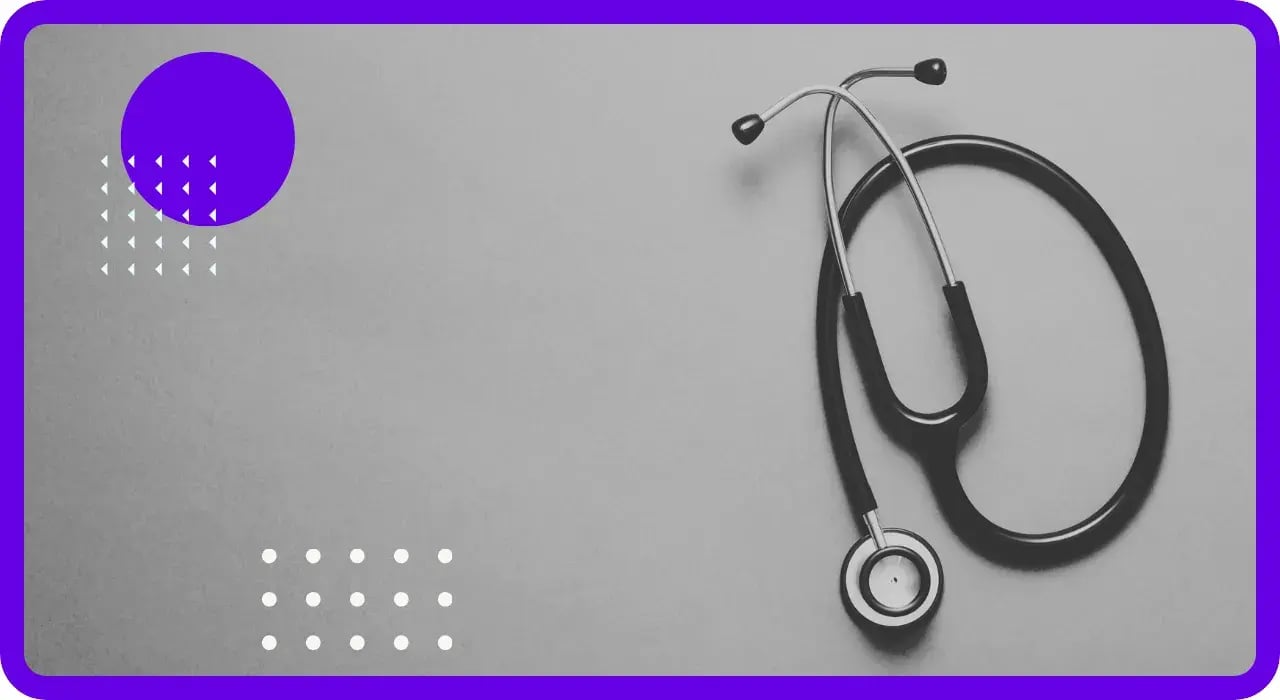
A stethoscope representing edgefi's managed IT and security services for healthcare organizations

Strategic, reliable, proactive

Transforming security and operations

edgefi delivers managed IT services for healthcare organizations alongside advanced healthcare cybersecurity services designed to protect sensitive data and maintain compliance. From securing patient information to improving system reliability, our solutions help healthcare providers reduce risk and support patient care.

By combining proactive monitoring, modern infrastructure, and experienced security specialists, we help healthcare organizations operate with confidence while protecting critical systems.

  • Protection of electronic protected health information (ePHI) and patient records
  • Security monitoring for electronic health record (EHR) systems and healthcare networks
  • Reliable infrastructure supporting clinical systems, telehealth, and medical devices
  • IT management for secure patient data access and HIPAA-compliant environments

BG-4

edgefi transformed security from a growth blocker to a growth enabler. Their strategic advisory has been instrumental in our expansion while keeping patient data safe.

  • #DataPrivacy
  • #OperationalExcellence
  • #Cybersecurity

Michael R.
CEO, Regional Healthcare Group

shield-check-svgrepo-com

Advanced security monitoring

Continuous monitoring of healthcare systems helps detect ransomware, unauthorized access, and other cyber threats before they disrupt patient care or operations.

chart-square-svgrepo-com

Streamlined IT management

Proactive IT management keeps healthcare technology running smoothly so clinicians and staff can focus on patient care rather than troubleshooting systems.

ruler-pen-svgrepo-com

Future-proof infrastructure

Scalable healthcare IT infrastructure supports electronic health records, secure remote access, and modern healthcare applications without disrupting clinical workflows.

Questions

Healthcare IT & cybersecurity frequently asked questions

Common questions about our managed services.

How can healthcare organizations protect patient data from cyber threats?

Healthcare organizations can protect patient data by implementing layered cybersecurity controls, continuous monitoring, and structured security programs that protect electronic protected health information (ePHI). Healthcare cybersecurity services help organizations detect threats early and reduce risk.

What cybersecurity measures support HIPAA compliance?

HIPAA compliant cybersecurity includes security monitoring, access controls, vulnerability management, encryption, and incident response planning. These measures help healthcare organizations protect patient data and meet regulatory requirements.

How does managed IT support improve healthcare operations?

Managed IT services for healthcare organizations help maintain reliable systems that support clinical workflows and patient care. Proactive monitoring and maintenance reduce downtime and ensure healthcare staff have access to critical systems when they need them.

How can healthcare organizations prevent ransomware attacks?

Preventing ransomware in healthcare requires continuous security monitoring, employee security awareness, endpoint protection, and rapid incident response. A proactive cybersecurity program can detect and contain threats before they spread across healthcare systems.

What security controls protect electronic protected health information (ePHI)?

Protecting ePHI requires access control policies, network monitoring, encryption, vulnerability management, and incident response planning to reduce risk and maintain compliance.